


Rescue Your Lesson Materials From the Clutter
One PDF on the desktop, one in email, one on the phone... Keeping materials organized saves time and gives students a professional impression.
Assigning homework is easy; following up is tiring. Small, clear assignments, a simple submission routine, and timely feedback keep it sustainable.
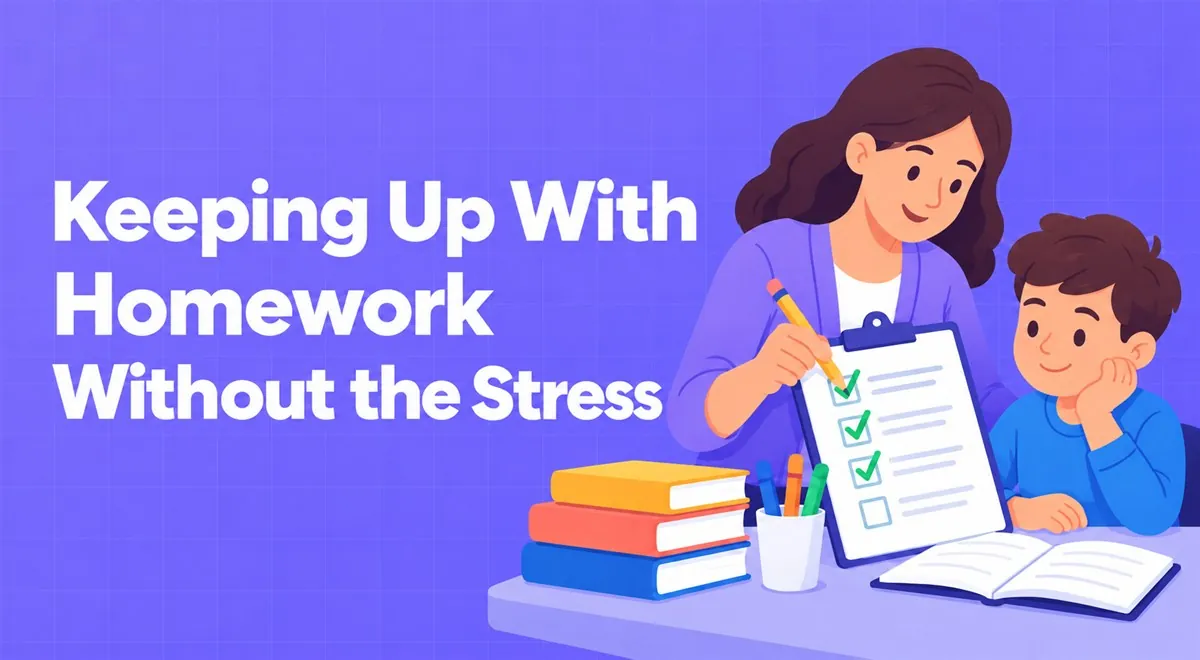
Assigning homework is one sentence; following up is a job. Did the student submit it, when did they submit it, did I check it, did I give feedback? Even with a few students this list grows quickly, and at some point you start thinking "should I stop assigning homework?"
Not assigning homework isn't the solution. Because small review outside the lesson carries a large part of progress. The solution is to make homework sustainable.
"Review the topic" isn't homework, it's a wish. "Solve the first six questions on page 42 and send a photo of the ones you got stuck on" shows what to do, how long it will take, and what will be submitted. Keeping homework time under 20–30 minutes is a realistic measure, especially for students with a heavy school load.
If homework comes in through WhatsApp, email, and by hand, tracking becomes impossible. Set a single submission place and tell the student from the start. On Vedubox Tutor homework checking and grading are done through the panel, and you can receive an email notification when a student submits. Seeing the whole class's status on one screen also reduces scattered exchanges. You can find the details on the features page.
Starting the lesson by reviewing homework makes homework "part of the lesson." When the student knows the homework will be checked, the likelihood of doing it rises. A five-minute look is enough: "Which question did you struggle with? Let's look together." The question they got stuck on can be the most valuable lesson material of that week.
Returning homework with feedback two weeks later makes the homework meaningless. If possible, look at it before the lesson and leave a short, concrete note: "There's an order-of-operations error in question three, but the method is right." Saying "nicely done" is kind but doesn't teach. Two sentences about the mistake change the student's next homework.
First ask why. The homework may be too hard, they may not have time for it, or they may not know what to do. Piling more homework on a student who hasn't done any for three weeks doesn't work. Shrinking the homework, sometimes taking a complete break for a week temporarily, then returning to a clearer plan is often more productive.
If the child is young, the parent's role in tracking homework is large. A short weekly report (which homework is completed, which is pending) makes the parent's job easier. Do this not with long messages but with a few-line summary.
The problem is often not the homework itself but the tracking system. Simplify the submission place, make reminders automatic, and get into the habit of writing a one-sentence note on each assignment. Once the system settles, homework becomes the engine of progress rather than a burden.
This article was prepared by the Vedubox team. For more information about Vedubox Tutor and our other products, you can visit vedubox.com.


Related content, tips, and updates to deepen your understanding and help you discover new ideas