
Short Quizzes: A Quiet Way to Make Progress Visible
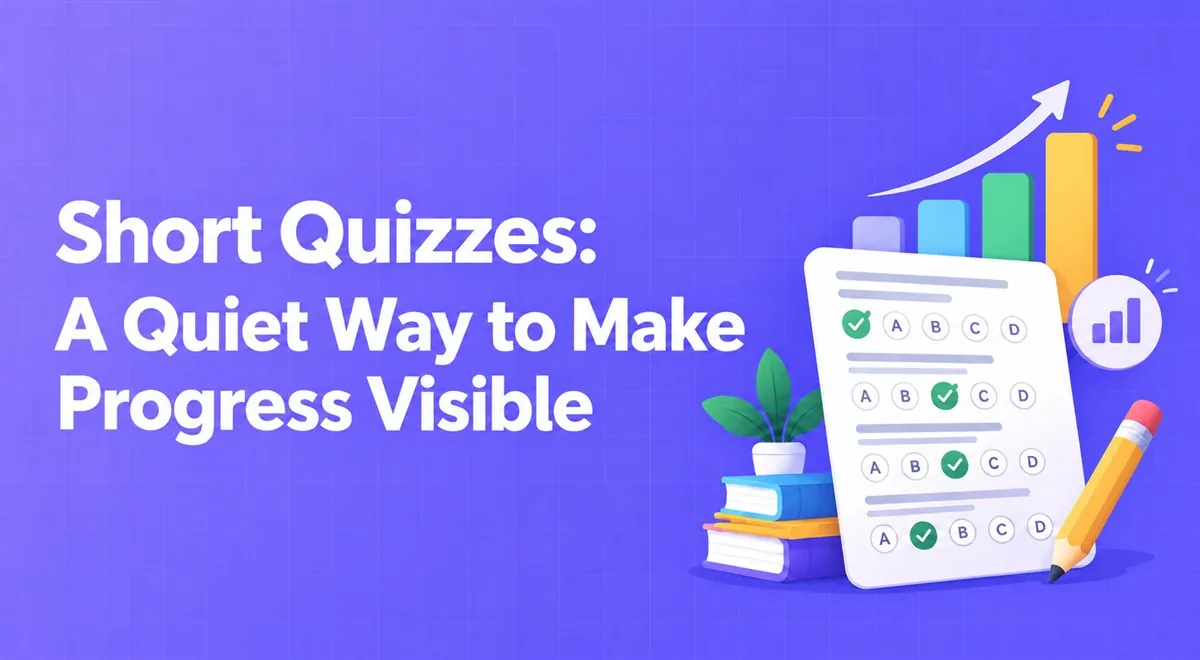
Exams aren't only for grading; they can also be for seeing learning. Five-question mini tests give both the student and the tutor a clear direction.
Attention is more fragile in online lessons than in the classroom. Short interaction breaks, tasks, and the right pace make it easier for the student to stay engaged on screen.
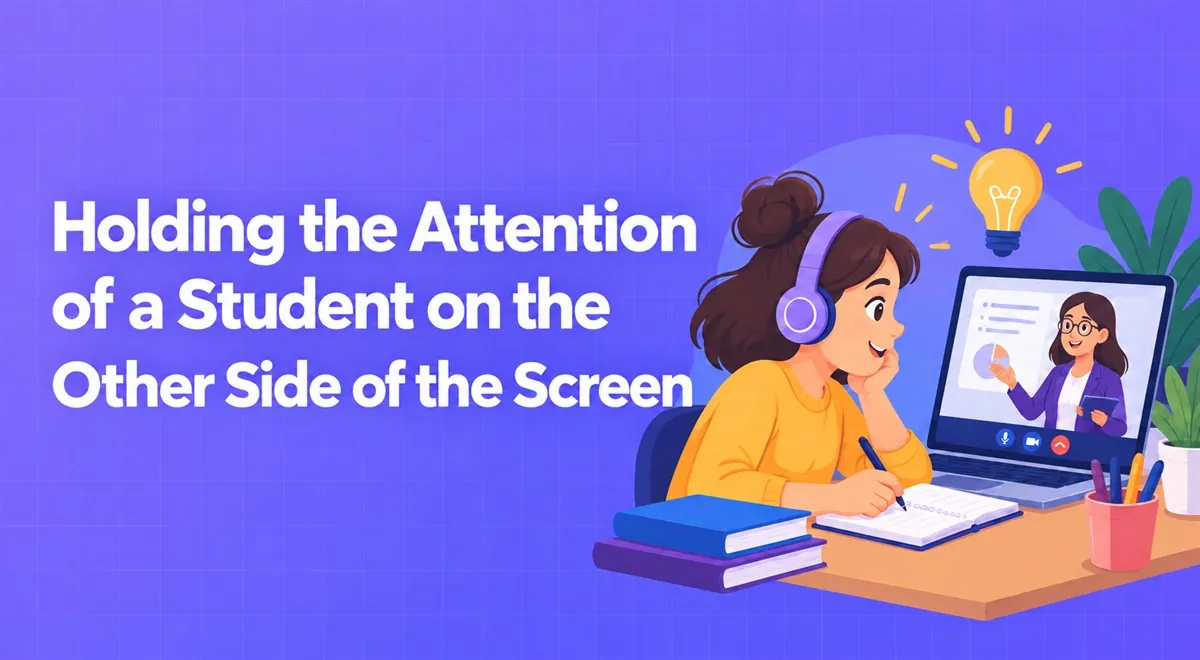
In the classroom, even if a student gets bored of something, they see your face and look at the board. On screen, a single tab switch is enough. A notification comes in, the phone buzzes, someone walks into the room. Keeping attention in an online lesson requires a different skill than in the classroom.
It wouldn't be right to give an exact number, but you've probably observed that most students can't focus for long on a topic explained without interruption in front of a screen. Splitting a forty-five-minute lesson into fifteen- or twenty-minute parts often works. Put a small interaction between each part.
Asking a question, asking the student to solve something, sharing the screen and continuing under their direction — all of these are enough. Asking "Did you understand?" doesn't work, because the answer is almost always "yes." Instead ask questions that make them think, like "If I found this result, which step would I have skipped?"
Just opening a presentation on your screen and explaining leaves the student passive. Let them share the screen: they write the solution, you guide. The chat box is also a useful space; a student who hesitates to answer verbally can take part in writing. Vedubox Tutor's virtual classroom has tools like screen sharing and chat; details are on the features page.
"Now two minutes, solve this question, I'll wait." Micro-tasks like this keep the student "active" at the screen. Sharing the results at the end of the lesson and giving short feedback also increases engagement.
If a student doesn't want to turn on their camera, there may be a reason: a room that isn't quiet, feeling uncomfortable, a connection problem. Instead of making the camera mandatory, saying "I'd be glad if you could, but it's not required" strengthens the relationship. The student's voice and participation matter more than their image.
Talking in the same tone for an hour makes even a perfect topic boring. Occasionally change your tone of voice, your explanation style, or the activity: explanation, a worked example, a short quiz, a discussion. This variety often creates a refresh point for attention.
A five-question mini exam in the middle of the lesson lets you see what the student understood and reconnects them to the lesson. We covered how to make use of quiz tools in our short quizzes article.
Talking constantly on screen is tiring. Small habits like a five-minute break between lessons, drinking water, and taking your eyes off the screen protect your energy in the second and third lessons. A tired tutor can't carry the student's attention.
This article was prepared by the Vedubox team. For more information about Vedubox Tutor and our other products, you can visit vedubox.com.


Related content, tips, and updates to deepen your understanding and help you discover new ideas